Miseducating the American Voter
More than five decades later, I see a familiar pattern emerging in the United States. As a Cuban-American, I recognize the signs: history distorted, critical thinking discouraged, obedience rewarded. The weaponization of education is not new—but its resurgence here is alarming. And yes, it scares me.
Power and the Classroom
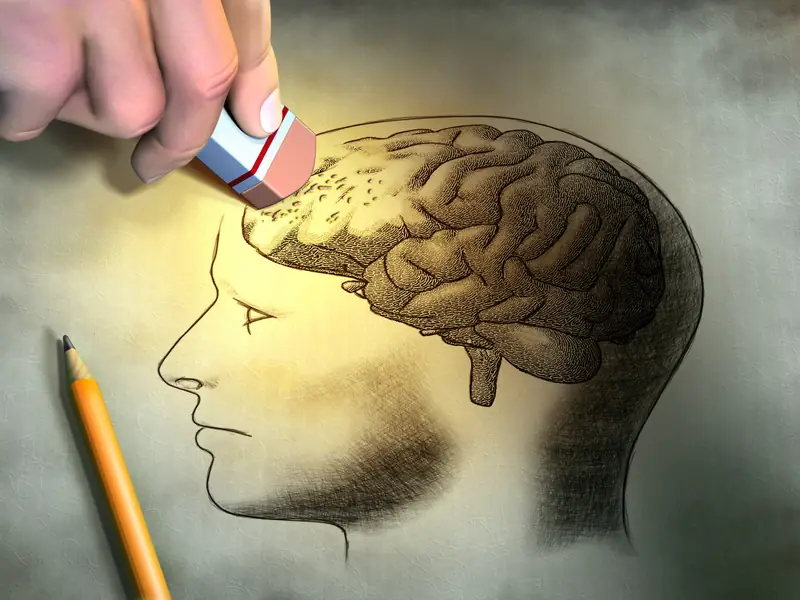
Education should be a path to freedom—a way to question, to grow, and to imagine better futures. But when power fears an informed public, it tries to control what we learn. That’s what’s happening now.
Listen, the push to eliminate the Department of Education isn’t about cutting bureaucracy. It’s about consolidating control. When figures like Donald Trump and Ron DeSantis target education, they are not just reforming policy—they are reshaping minds. The goal? A generation raised to conform, not question.
Why the Department of Education Matters
The Department of Education represents a commitment to equal access—regardless of zip code, race, or income. Without it, education becomes a privilege of the wealthy and the powerful. Dismantling it leaves children in underserved communities with even fewer tools to challenge their circumstances.
Depriving students of a robust education doesn’t just hurt individuals—it cripples democracy. An uninformed public is easier to manipulate. A critical thinker can spot a lie; someone trained only to obey will repeat it.
Florida as a Case Study
Florida provides a chilling example of this educational power grab. Governor DeSantis' policies—like the Stop WOKE Act—have led to sanitized curriculums that erase uncomfortable truths. His comment suggesting that enslaved people benefited from forced labor is not only inaccurate; it’s a moral failure.
This isn’t just about what’s taught—it’s about what’s allowed to be thought. When history is whitewashed and dissenting perspectives are silenced, students aren’t being educated. They’re being conditioned.
Control Through Restriction
Across the country, similar efforts are underway. School choice is being restricted. Districts are being redrawn. Curricula are being censored. The message is clear: stay in line, accept the narrative, and don’t ask too many questions.
This top-down control doesn’t just affect students. It affects entire communities, shaping how we understand justice, identity, and truth. When families are forced into poorly resourced districts, their children are less likely to learn how to think critically—and more likely to accept the status quo.
A Society Kept in the Dark
Controlling education is about more than politics—it’s about power. It's about building a society that doesn’t know enough to push back. Just like biased media can distort reality, a politicized school system ensures the next generation sees the world not as it is, but as power wants it to be.
This isn't education. It's indoctrination.
Conclusion: The Real Fight
The fight over education is not about test scores or curriculum standards. It's about freedom. It's about whether the next generation will have the tools to challenge authority, demand justice, and imagine a better world.
If we allow those in power to control what our children know, we surrender not just our classrooms—but our future.
Let’s not pretend this is politics as usual. It’s a war on knowledge. And every one of us—parent, student, teacher, citizen—has a stake in how it ends.